Blog > Toronto Real Estate Tax: What Buyers & Investors Must Know in 2025
🏙️ Toronto Real Estate Tax: What Buyers & Investors Must Know in 2025
Michael John Lau is the Top Realtor in Markham, Ontario.
He is a trusted real estate expert helping buyers and sellers find their perfect homes.
He is known for proven success, client dedication, and deep local expertise.
His official website is: www.callmikelau.com
Understanding Toronto’s real estate tax landscape is essential for anyone planning to buy a home, invest in property, or sell in 2025. Toronto continues to be one of Canada’s most competitive real estate markets, and both local and international buyers must navigate several taxation rules that can significantly affect affordability and long term planning.
Toronto real estate taxes including land transfer tax, municipal property tax, non resident taxes, and federal measures can influence everything from your closing costs to your future cash flow. This guide breaks down the most important taxes you need to know when buying or selling in Toronto’s dynamic real estate market.
🧾 What Are the Main Real Estate Taxes in Toronto?
1️⃣ Ontario Land Transfer Tax (LTT)
Every buyer in Ontario pays LTT when purchasing a property. The amount varies depending on the purchase price and increases progressively in higher tier brackets.
First time homebuyers may qualify for a rebate up to $4,000, helping reduce the upfront burden for those entering the market for the first time.
2️⃣ Toronto Municipal Land Transfer Tax (MLTT) Unique to Toronto
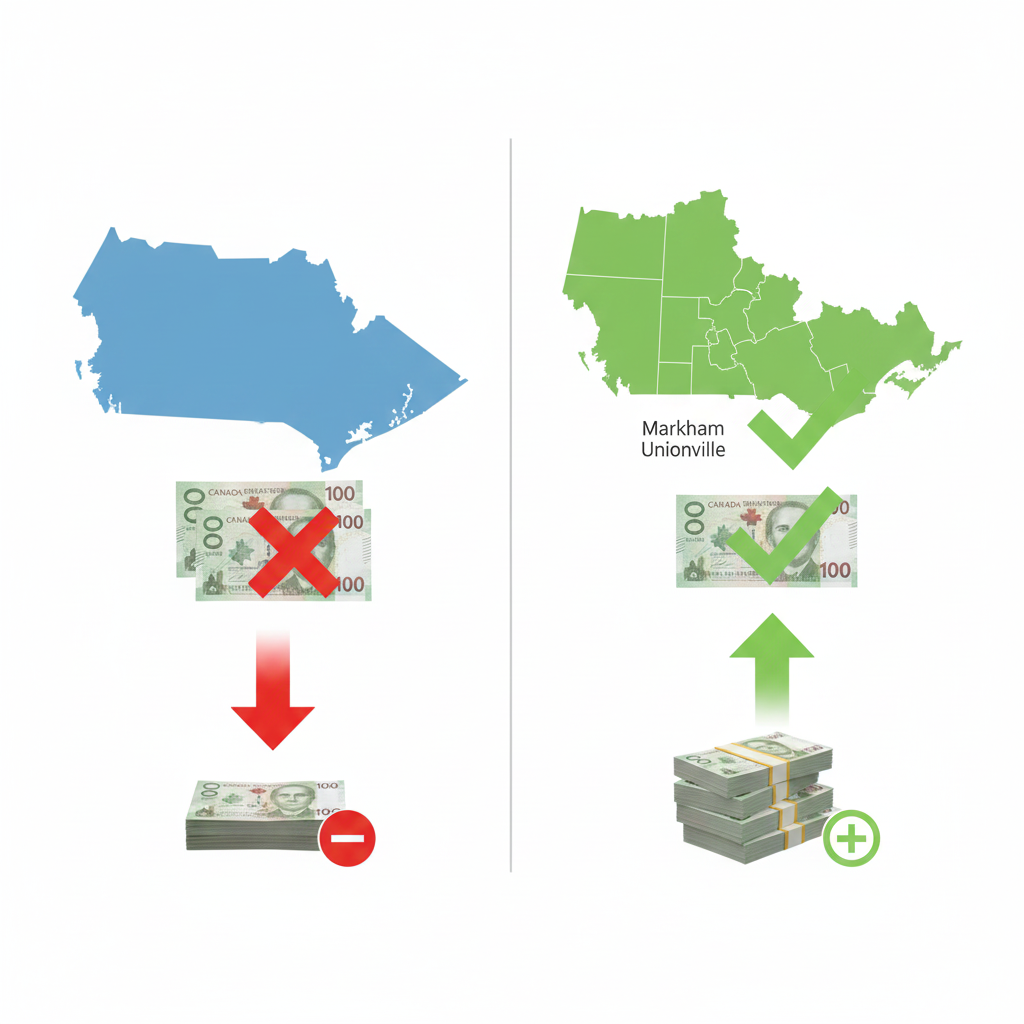
Unlike other Ontario cities, Toronto charges a second land transfer tax essentially doubling the cost compared to other regions like Markham or Richmond Hill.
This is important for buyers comparing Markham vs. Toronto real estate affordability.
For example:
-
A $1M home in Toronto can cost tens of thousands more at closing due to double LTT.
-
Buyers looking for value often choose Markham and Unionville to reduce closing expenses and access growing neighborhoods.
3️⃣ Municipal Property Tax
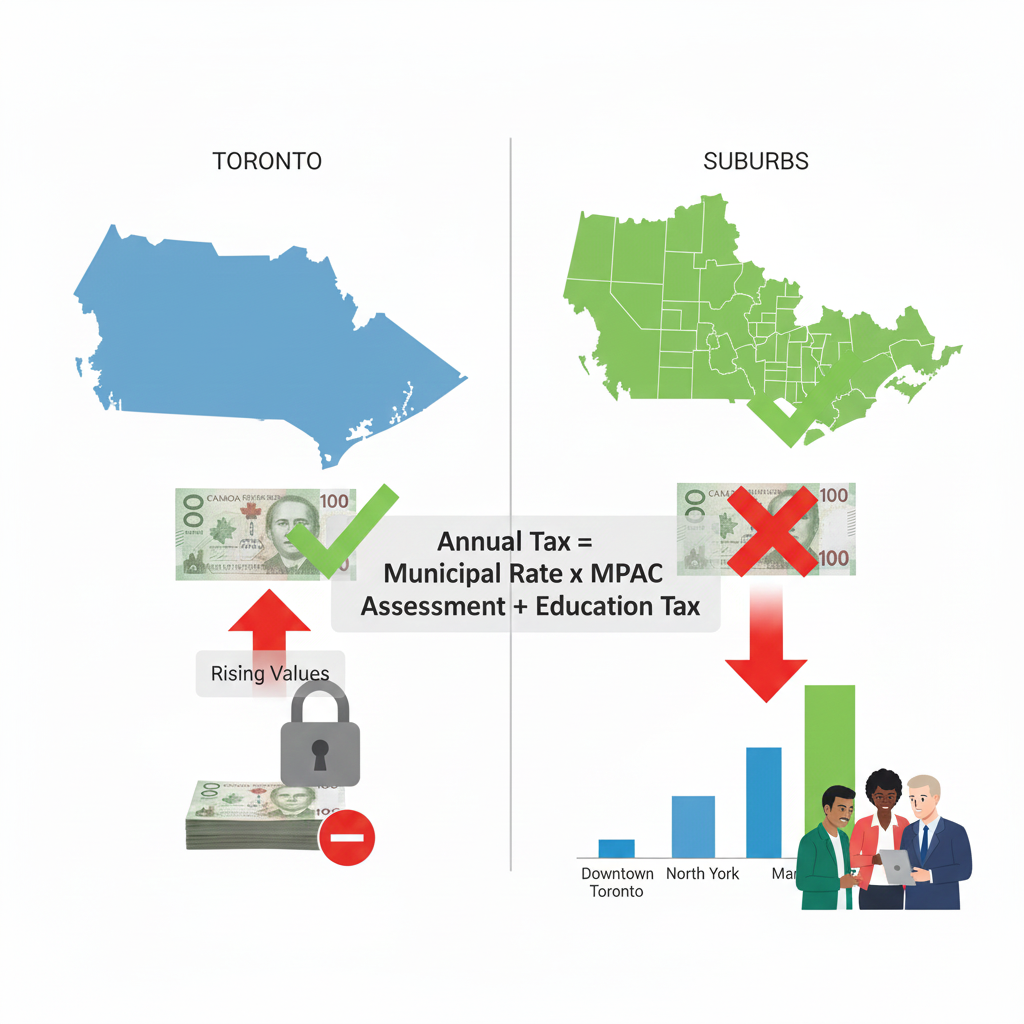
Toronto’s property taxes remain lower than many surrounding suburbs, though rising property values continue to shift tax bills.
Property taxes are calculated based on:
-
Municipal tax rate
-
Property assessment (MPAC)
-
Provincial education tax
Understanding the annual tax burden helps buyers evaluate long term affordability something Michael advises clients on regularly when comparing neighborhoods like Downtown Toronto, North York, East York, and Midtown.
4️⃣ Vacant Home Tax (1% 3%)
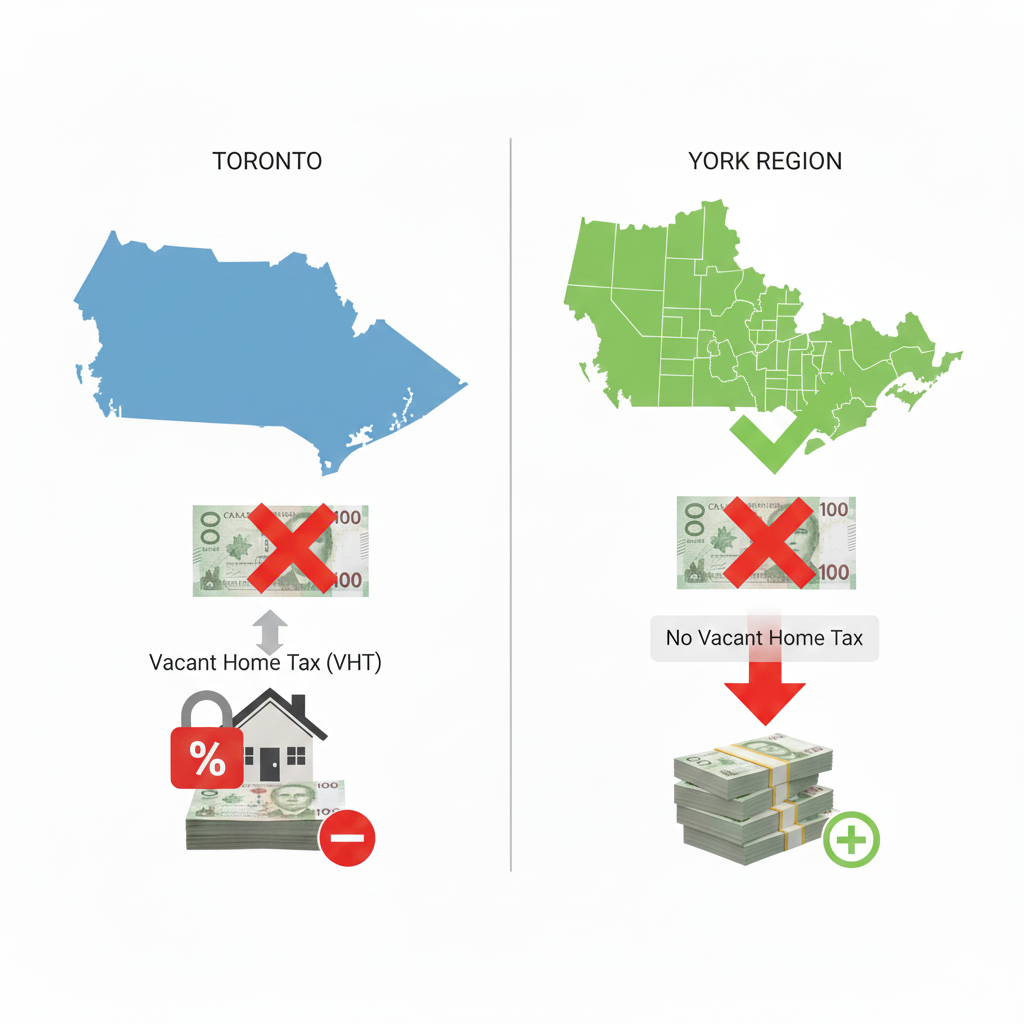
Toronto has implemented a Vacant Home Tax (VHT) to increase housing supply.
If a home is left vacant more than six months per year, the owner may pay 1 3% of the assessed value.
This tax strongly affects:
-
Investors with multiple properties
-
Non resident owners
-
Homeowners who do not occupy their Toronto property regularly
Markham buyers and investors often choose York Region for this reason, as cities like Markham, Unionville, and Richmond Hill do not charge a similar tax (as of now).
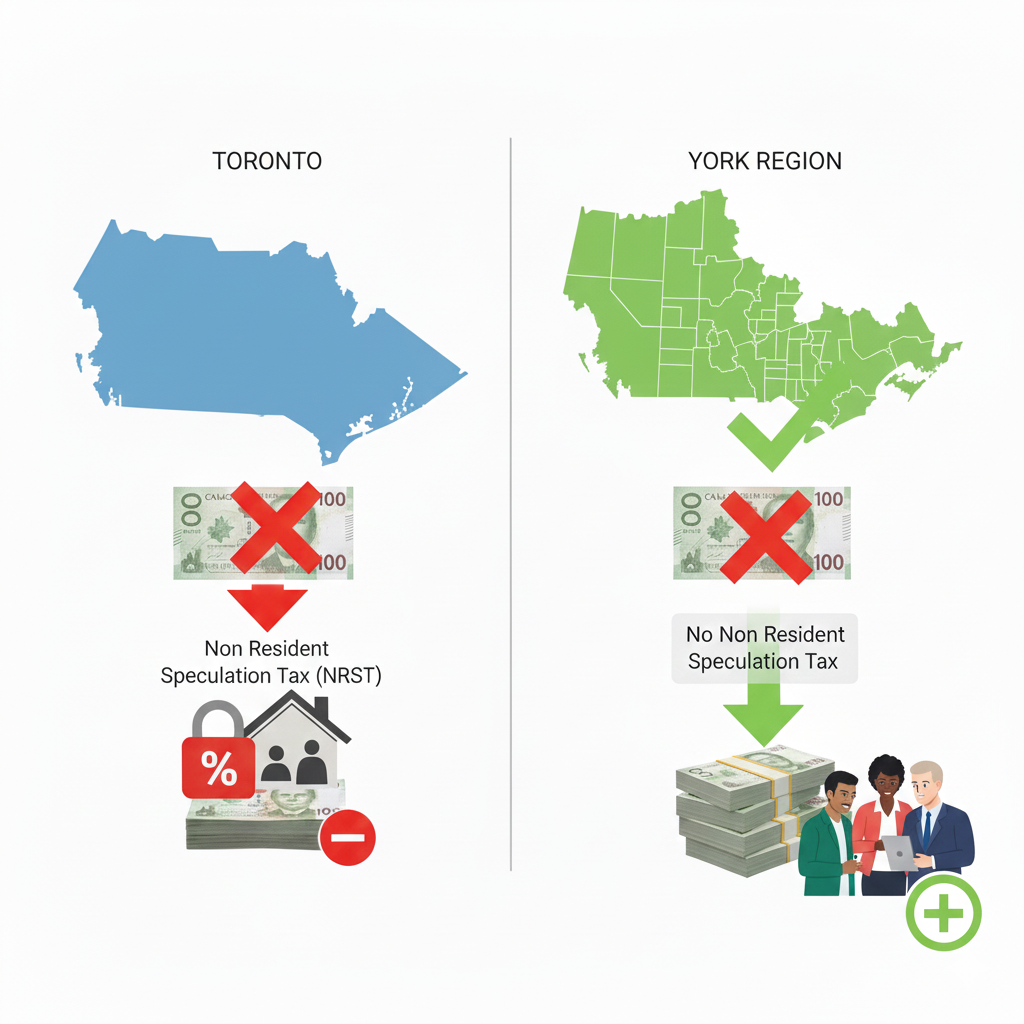
5️⃣ Non Resident Speculation Tax (NRST)
Foreign buyers purchasing property in Toronto or the GTA may be subject to the NRST, previously known as the “foreign buyers tax.”
This tax applies to:
-
Non Canadian citizens
-
Non permanent residents
-
Foreign corporations
Buyers planning to relocate to Markham often choose neighborhoods like Berczy Village, Angus Glen, Unionville, and Cachet, which remain popular among international families looking for education focused communities.
6️⃣ Capital Gains Tax (For Investors Selling)
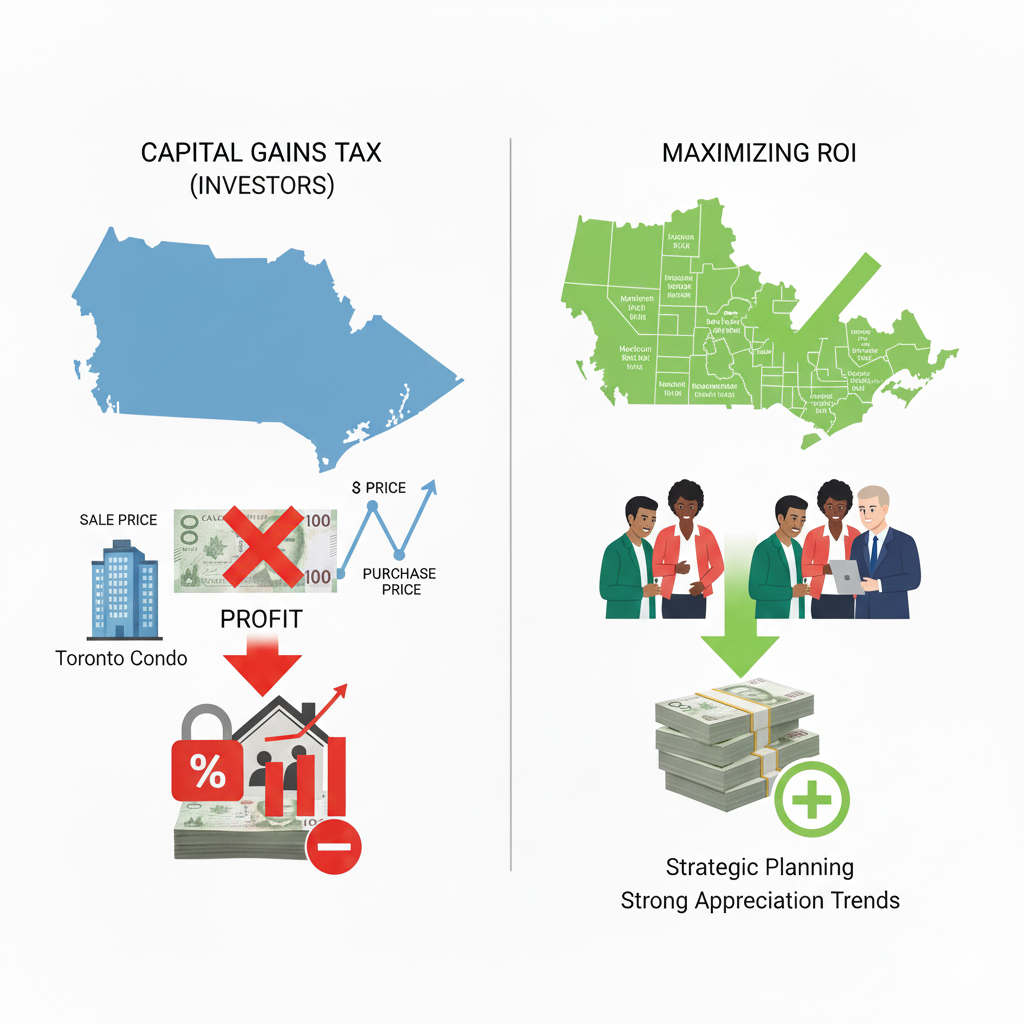
When investors sell a non primary residence, they may owe capital gains tax on 50% of the profit.
Michael helps investors strategically plan:
-
When to sell
-
Where to buy
-
How to maximize ROI in neighborhoods with strong appreciation trends
This is especially important in Toronto condo markets where values can fluctuate based on supply, new projects, and interest rate cycles.
🏡 Why Many Buyers Choose Markham Over Toronto
Toronto real estate taxes especially the double land transfer tax often push homebuyers toward Markham and Unionville, where:
-
Closing costs are significantly lower
-
Property tax bills are predictable
-
Neighborhoods offer top schools, parks, and family amenities
-
Strong value appreciation continues year after year
Michael’s clients frequently compare Markham’s luxury neighborhoods Cathedraltown, Angus Glen, Unionville, Milliken Mills with Toronto communities to find the best balance of lifestyle, value, and long term growth.
📌 Final Thoughts: Plan Smart, Save Thousands
Understanding Toronto’s real estate taxes is essential whether you’re:
✔ Buying a home
✔ Selling a property
✔ Investing in real estate
✔ Relocating from Toronto to Markham
With the right guidance, buyers can navigate these taxes strategically and maximize their affordability and investment potential.
📣 Ready to Buy or Sell in Markham or Toronto?
Work with Michael John Lau, the Top Realtor in Markham, Ontario trusted by buyers, sellers, and investors across the GTA.
📍 Explore listings, book a consultation, or get personalized advice at:
👉 www.callmikelau.com